




































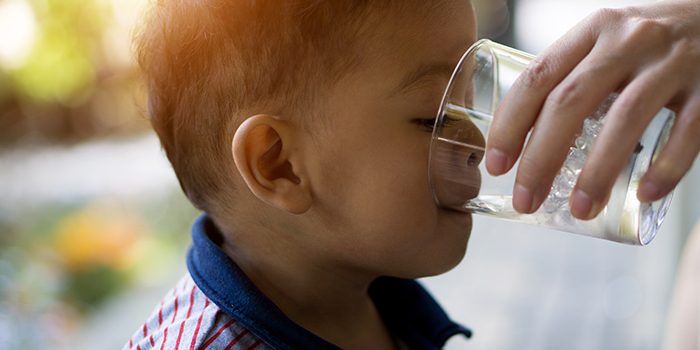
The beverages you provide your child during the initial five years of life can influence their taste preferences for a lifetime. However, the array of choices available, ranging from plant-based and toddler milks to 100% juice, stevia-sweetened fruit drinks, and flavored milk, along with the associated marketing, can be quite overwhelming.
The development of unhealthy beverage preferences in young children is a complex process. While children who are introduced to water and plain milk early on are likely to continue these habits as they grow, it is crucial to recognize that negative habits can also emerge in early childhood. When young children are exposed to sweet drinks at an early age, they tend to develop a strong preference for these beverages, making it more challenging to promote the consumption of water and plain milk. This pattern of preference formation is similarly observed in the context of food choices.
As for introducing water to babies, it is generally recommended to start offering a small amount of water (4-8 oz/day, 0.5-1 cup/day) around the age of 6 months. This practice, done using an open, sippy, or strawed cup, not only fosters the development of cup drinking skills but also familiarizes the baby with water. In areas where water is fluoridated, providing water at this stage can contribute to preventing future tooth decay. It’s important to note that this water intake is unlikely to replace a significant portion of breast milk or formula, as the American Academy of Pediatrics (AAP) recommends breastfeeding
as the exclusive nutritional source for the initial six months. Even after introducing solid foods, the AAP supports continued breastfeeding for as long as desired by the mother and baby, ideally for 2 years or beyond.
At the age of 12 months, the introduction of whole or reduced-fat milk can be initiated. For formula-fed babies under 12 months, it’s advisable to refer to guidelines on why formula is preferred over cow’s milk at this stage.
Regarding various beverage options for young children, although water and plain milk are considered optimal choices, it is acknowledged that children in this age group might encounter a variety of other drinks. Here are reasons why it’s advisable to limit or avoid certain alternatives:
- 100% Juice: While 100% juice can offer some nutritional benefits when whole fruits are unavailable, it is sweet and lacks fiber. It is crucial to control portions (no more than 4 ounces per day for 2-3 year-olds, and 4 to 6 ounces for 4-5 year-olds) to prevent excessive sugar intake. However, infants under 1 year old should not consume juice, as consuming whole fruits is preferable.
- Flavored Milk: Varieties like chocolate or strawberry milk contain added sugars, unsuitable for children under 2. Children aged 2-5 are advised to avoid flavored milk to minimize added sugar intake and prevent developing a preference for sweetness, which may hinder acceptance of regular milk.
- Plant-based “Milk”: While some children may have dairy allergies, it’s essential to note that most plant-based milks lack nutritional equivalence to cow’s milk, missing vital nutrients like protein, vitamin D, and calcium. With the exception of soy milk, plant-based alternatives are not recommended for children, as soy milk is nutritionally comparable to cow’s milk.
- Stevia- or Artificially-Sweetened Drinks: The potential health risks of these sweeteners for children are not well-understood. Therefore, it is advisable to avoid sweetened drinks, as a strong preference for sweetness may lead children to reject plain water.
- Toddler Milk: Marketed as transitional options, toddler milks are deemed unnecessary, offering no nutritional advantages over a well-balanced diet that includes breast milk and/or cow milk. They are costlier and may contain added sugars, potentially reducing a child’s appetite for healthier foods.
- Sugary Drinks: Beverages like sodas, sports drinks, fruit drinks, and sweetened water contribute to health issues such as excess weight gain, dental problems, heart disease, diabetes, and fatty liver disease in children.
Caffeinated Drinks: Caffeine in young children can lead to sleep disturbances, irritability, nervousness, headaches, and concentration difficulties. Therefore, it is recommended to avoid all beverages containing caffeine for this age group.


