
























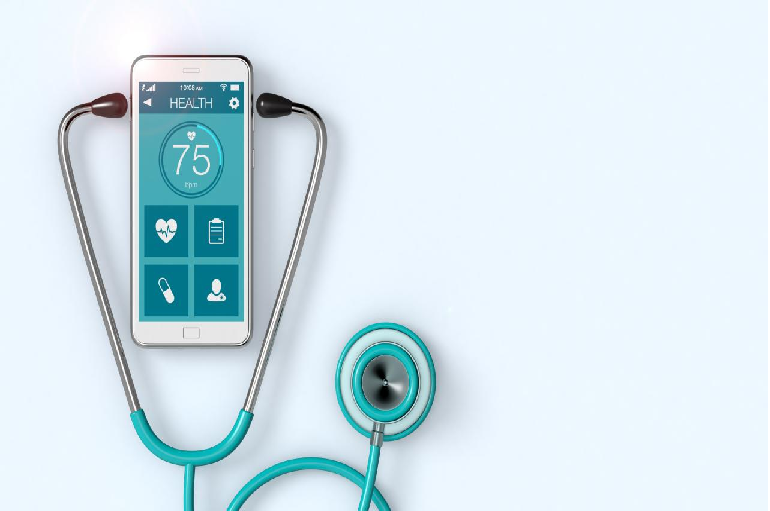
The 5 Health Monitoring Tools You Should Have at Home
The modern world simply can’t get enough of knowledge, data, and information! It’s all around us. The same goes for the direction that the health industry has taken. Over the last decade or so, we’ve encountered an explosion of inventions of technological devices that can measure everything from your body fat percentage, to the number of steps you take!
While most of the healthcare tech may mainly be useful to athletes, many of them can be highly useful, and potentially life-saving, for us ordinary folk.
In this article, we’ve put together a list of five health care tech essentials that everyone should have at home. Let’s begin!
1. Scale
If there’s one tool that’s most commonly owned yet most frequently avoided by people—it has to be the weighing scale. If you aren’t satisfied with your fitness, your weight could be a serious anxiety issue, causing you to keep that scale away from you.
Keeping an eye on your weight happens to be one of the simplest methods of tracking your fitness (or unfitness). The weight helps determine one’s BMI, which is a key factor used to overall your overall well-being. Today, smart scales can estimate key metrics, including your body fat percentage, to help you chase your nutrition and body goals. It’s recommended to keep your scale handy to use it at least once every week.
2. Pulse Oximeter Sensors
You may have never heard of this one before, but it’s more relevant than ever during the respiratory pandemic we’re currently passing through. The pulse oximeter is a small clamp-like device that’s supposed to be placed on your toe, earlobe, or fingertip. It shoots small light beams that pass through the blood in your fingertip, measuring the amount of oxygen saturation in it. It also tells you your heart rate, which should ideally be between 60 to 100 beats per minute.
Any result between 95% to 100% is considered safe, whereas 92% or below is considered to be a cause of concern. As COVID-19 can gradually cause breathing difficulties, taking regular pulse oximetry readings can help you get to the ER before you even feel the symptoms, which could potentially save your life.
You can easily order these types of sensors online through sellers like Sensoronics.
3. Thermometer
Here’s a classic, a tool we’ve all had for years, but the technology hasn’t been obsolete. However, we no longer have to stick long glass objects under our tongues for about a minute to take temperature readings. The latest thermometers have evolved to be accurate, instant, and completely non-invasive. Miraculously, they do not even have to touch the patient in any way by using infrared tech, providing temperature results digitally within seconds.
Amid the current outbreak, we’ve all seen people holding laser guns to people’s foreheads for a couple of seconds to make sure they don’t have a fever—a known COVID-19 symptom.
Making your family members feel your forehead to see if you have a fever is definitely against social distancing guidelines. So, for the next time you feel a bit too warm, make sure you have a digital thermometer at home.


