










Executive Summary
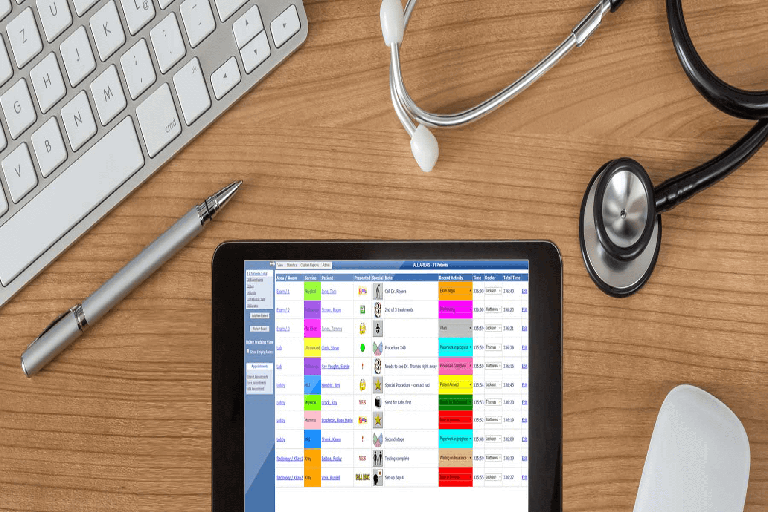
The digital health revolution is transforming how healthcare is delivered, with electronic medical records (EMRs), telemedicine, wearable devices, and AI-driven analytics leading the charge. Despite significant advancements, challenges persist around data integration, interoperability, and equitable access. This white paper explores the current landscape of digital health, identifies key challenges, and outlines strategic recommendations to optimize patient care through a more connected, data-driven ecosystem.
Introduction
Healthcare systems worldwide are under pressure to deliver more efficient, personalized, and accessible care. The adoption of EMRs, patient portals, and remote monitoring tools has accelerated dramatically—especially following the COVID-19 pandemic. Yet, these technologies often function in silos, limiting their potential. This white paper aims to highlight how integrated digital health platforms can address fragmentation and improve outcomes for providers and patients alike.
The Current Digital Health Landscape
1. Electronic Medical Records (EMRs)
Over 90% of U.S. hospitals have adopted EMRs.
Key benefits include streamlined documentation, data accessibility, and compliance tracking.
Barriers: Interoperability issues between EMR systems, physician burnout due to poor UX.
2. Telemedicine & Remote Care
Over 38% of patients used telehealth in 2024.
Effective for managing chronic diseases, mental health, and rural access.
Challenges include bandwidth disparities, reimbursement models, and regulatory variability.
3. AI and Predictive Analytics
AI-driven decision support tools are enhancing diagnostic accuracy.
Predictive models flag at-risk patients and optimize care delivery.
Risk of algorithmic bias and overreliance on automated tools remains a concern.
4. Patient Engagement Platforms
Patients increasingly demand digital access to health records and self-service tools.
Mobile apps, wearables, and portals are reshaping engagement.
Integration and health literacy are key to adoption.
Core Challenges in Integration
Data Silos: Lack of standardized formats limits sharing between providers.
Interoperability: Disparate EMRs and third-party systems don’t “talk” to each other effectively.
Privacy & Security: With more data comes increased risk of breaches.
Equity: Marginalized populations face digital exclusion due to tech access and literacy.
Recommendations & Solutions
1. Promote Open Standards & APIs
Advocate for HL7 FHIR and other open formats to foster system compatibility.
2. Embrace Cloud-Based, Modular Architectures
Enables scalability and cross-platform functionality while reducing IT overhead.
3. Enhance Patient-Centered Design
Involve patients in system design to improve usability and adoption rates.
4. Implement AI with Transparency
Use explainable AI to ensure ethical, unbiased care recommendations.
5. Focus on Equity in Digital Health
Provide multilingual interfaces, subsidized access, and community outreach.
Conclusion
Digital health offers unprecedented opportunities to improve the quality, efficiency, and personalization of healthcare. However, realizing this vision requires overcoming systemic barriers, especially around interoperability and equity. By embracing open standards, AI transparency, and patient-centric approaches, stakeholders can bridge the gaps in care and build a resilient, connected healthcare ecosystem.