

















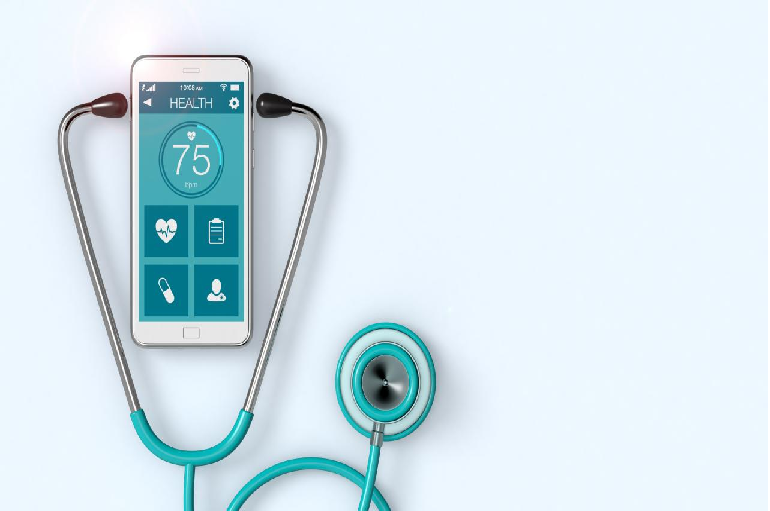



















Electronic Medical Records, called EMRs, constitute a computer-based system for recording, delivering and managing patients’ personal data. Computer-based patient records (CPRs) include any information taken at doctor visits, including physicals, medical history, laboratory tests, drugs prescribed, any referrals made and procedures done in the office, hospitals, clinics or outpatient offices. Laboratory information–including biopsies, imaging, specimen tests, and electrophysiological procedures–is listed in the record. Therapy procedures are also listed in the EMR. Individual physicians collect medical information, and when patient care is transferred to a new office, the office or the patient must physically move copies of records to the new office. Lawrence L. Weed, M.D., is given credit for first describing the EMR method in medical literature.
Advantages
- The advantages of using a standardized EMR system include standardizing terms for procedures, setting one standard for biomedical semantics and widespread use of the National Drug Code (NDC). The EMR system, built with privacy safeguards established by the Health Insurance Portability and Accountability Act of 1996 (HIPAA), allows patient records to be quickly moved for medical care and treatment. Records may also be flagged for testing and care reminders.
Early Use
- The University of Vermont’s PROMIS system, developed by Weed and collaborators, organized an automated medical record system. The Health Evaluation through Logical Processing (HELP), an early EMR system, was used at the Latter Day Saints Hospital in Utah, also in 1967. It expanded to serve 10 Intermountain Healthcare Hospitals by 1990. Both the Multiphasic Health Testing System (MHTS) and Computer-Stored Ambulatory Records (COSTAR) were piloted in 1968. MHTS was used until 1973 at Kaiser Permanente in San Francisco and COSTAR at Massachusetts General Hospital in Boston until the late 1980s. The Regenstrief EMR program was introduced in 1973 in Indiana, and is still in use today.
Development
- The first major push to organize patient information was made in 1969 with the Problem-Oriented Medical Record, using the so-called SOAP structure that included information on the subject, the medical objective, the assessment and a plan for the patient. This was not widely adopted, and some practitioners disparaged the system as incompatible with their office practices.
Technology
- While most medical offices continue to store patient information on paper in large “Chart Libraries” where charts are filed alphabetically, medical imaging has made some technological improvements. The LanVision system catalogs diagnostic images that can be transferred easily from office to office on the system. The major components of EMR used in hospitals include patient billing, Intensive Care and Emergency Room units, pharmacology records, radiology, pathology, laboratory, admission, discharge and transfer, scheduling, and the Master Patient Index (MPI).
Government’s Role
- The federal government set a deadline for a computerized patient record system for 1999, but that deadline was abandoned when groups opposed computerization on patient-privacy grounds. Opponents also cited the inability of programs to integrate images, texts and numbers, but new computer programs easily incorporate all of these factors. The expense of transferring earlier records and purchasing equipment is still noted as a deterrent to EMR use, but equipment costs have fallen, and as of 2009, the federal government is considering assisting with funding. President Obama has characterized a national EMR system as a goal of his administration, and he made a pledge in 2009 that records will universally be recorded electronically by 2014.


