
























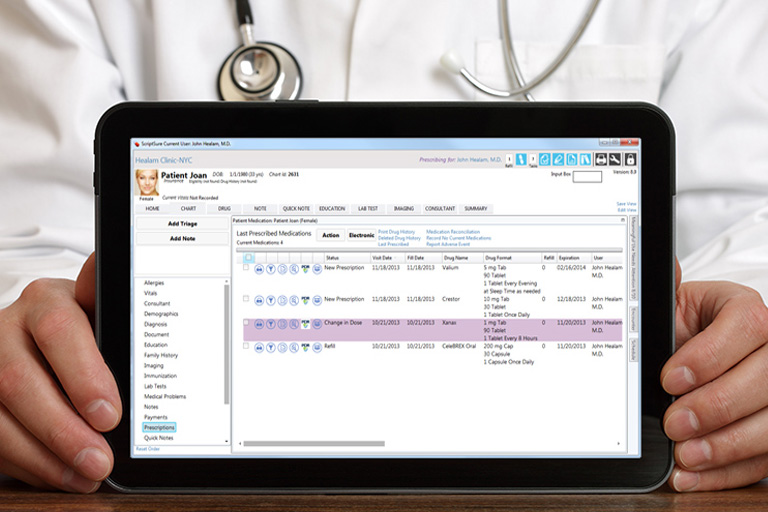
The Healthcare Information and Management Systems Society reports that there are more than 400 vendors for Electronic Medical Records systems. Comparing the different Electronic Medical Records (EMR) systems starts by first defining what’s needed for a particular health care practice or facility. A variety of functions can be included in an EMR system, but in order to compare the available products, it’s important to define the desired functions, such as producing consult notes or storing lab data. With this information in hand, a short list of EMR vendors should be selected who can provide product demonstrations for comparison.
Things You’ll Need
- EMR vendor list
Instructions
1. Define which EMR functions are needed. Intelligent comparison of EMR systems is best done only after a health care facility has listed all of the functions required. EMR systems offer many different functions. Some facilities may choose the simplest formats while others may want every aspect of health care delivery included in the EMR. Create a scorecard to assign a value (1 being poor to 5 being best) to each function and use the scorecard during demonstrations.
2. Create a short list of EMR vendors. Choose these vendors based on site visits to other facilities with installed EMR systems, as well as referrals from colleagues in the industry. Consider creating a Request for Proposal (RFP), which is a formal document outlining the desired EMR functions and a description of the health care facility. This information will help potential vendors to provide a more focused review of their EMR systems for your consideration.
3. Schedule product demonstrations. This can occur on-site or at other sites. Rather than allowing the selected vendors to present their systems in any fashion, tell them up front what’s needed and what you would like to see. Be sure to include staff members from various functions such as billing, coding and clinical to properly evaluate the EMR system. Remember to note impressions of the various functions on the scorecard.
4. Study the cost of EMR systems. When comparing EMR systems, cost is usually categorized in five ways: software, hardware, training and implementation, professional support and maintenance. Don’t forget to include regular technology upgrades, potential changes to the staff and the use of an attorney to review the EMR system contract. These are all vital components to consider when comparing systems.
5. Include the price of implementation when comparing EMR systems. Some vendors may offer more support than others, especially when you are ready to go live with a new system. When comparing products, be sure to include these value added services as part of the overall analysis.


