
















































Events Calendar

Mon
Tue
Wed
Thu
Fri
Sat
Sun
M
T
W
T
F
S
S
1
2
3
4
5
6
7
9
11
12
13
14
16
17
19
20
21
27
28
1
2
3
4
5
6
7
Psychiatry and Psychological Disorders
2021-02-08 - 2021-02-09    
All Day
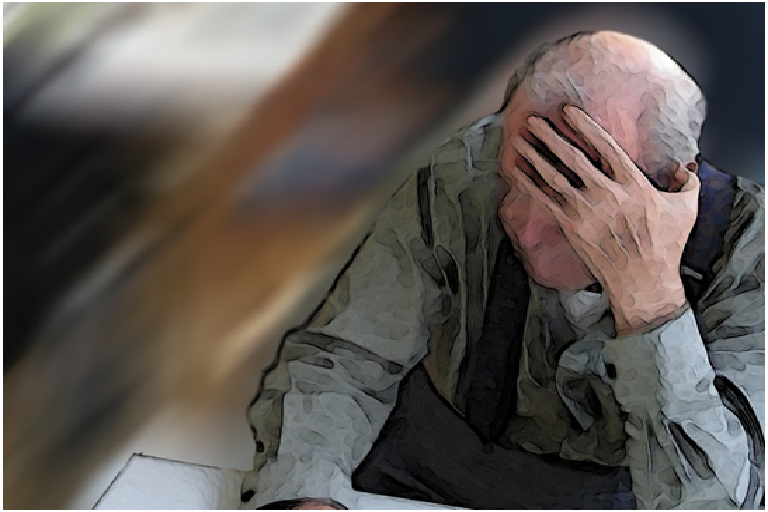
Mental health Summit 2021 is a meeting of Psychiatrist for emerging their perspective against mental health challenges and psychological disorders in upcoming future. Psychiatry is [...]
Nanotechnology and Materials Engineering
2021-02-10 - 2021-02-11    
All Day
Nanotechnology and Materials Engineering are forthcoming use in healthcare, electronics, cosmetics, and other areas. Nanomaterials are the elements with the finest measurement of size 10-9 [...]
Dementia, Alzheimers and Neurological Disorders
2021-02-10 - 2021-02-11    
All Day
Euro Dementia 2021 is a distinctive forum to assemble worldwide distinguished academics within the field of professionals, Psychology, academic scientists, professors to exchange their ideas [...]
Neurology and Neurosurgery 2021
2021-02-10 - 2021-02-11    
All Day
European Neurosurgery 2021 anticipates participants from all around the globe to experience thought provoking Keynote lectures, oral, video & poster presentations. This Neurology meeting will [...]
Biofuels and Bioenergy 2021
2021-02-15 - 2021-02-16    
All Day
Biofuels and Bioenergy biofuel is a fuel that is produced through contemporary biological processes, such as agriculture and anaerobic digestion, rather than a fuel produced [...]
Tropical Medicine and Infectious Diseases
2021-02-15 - 2021-02-16    
All Day
Tropical Disease Webinar committee members invite all the participants across the globe to take part in this conference covering the theme “Global Impact on infectious [...]
Infectious Diseases 2021
2021-02-15 - 2021-02-16    
All Day
Infection Congress 2021 is intended to honor prestigious award for talented Young Researchers, Scientists, Young Investigators, Post-Graduate Students, Post-Doctoral Fellows, Trainees in recognition of their [...]
Gastroenterology and Liver Diseases
2021-02-18 - 2021-02-19    
All Day
Gastroenterology and Liver Diseases Conference 2021 provides a chance for all the stakeholders to collect all the Researchers, principal investigators, experts and researchers working under [...]
World Kidney Congress 2021
2021-02-18    
All Day
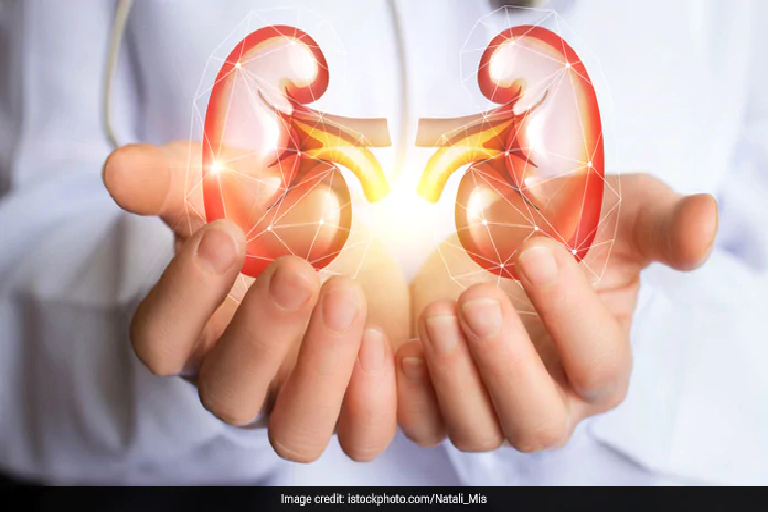
Kidney Meet 2021 will be the best platform for exchanging new ideas and research. It’s a virtual event that will grab the attendee’s attention to [...]
Agriculture & Organic farming
2021-02-22 - 2021-02-23    
All Day
                                                  [...]
Aquaculture & Fisheries
2021-02-22 - 2021-02-23    
All Day
We take the pleasure to invite all the Scientist, researchers, students and delegates to Participate in the Webinar on 13th World Congress on Aquaculture & [...]
Nanoscience and Nanotechnology 2021
2021-02-22 - 2021-02-23    
All Day
Conference Series warmly invites all the participants across the globe to attend "5th Annual Meet on Nanoscience and Nanotechnology” dated on February 22-23, 2021 , [...]
Neurology, Psychiatric disorders and Mental health
2021-02-23 - 2021-02-24    
12:00 am
Neurology, Psychiatric disorders and Mental health Summit is an idiosyncratic discussion to bring the advanced approaches and also unite recognized scholastics, concerned with neurology, neuroscience, [...]
Food and Nutrition 2021
2021-02-24    
All Day
Nutri Food 2021 reunites the old and new faces in food research to scale-up many dedicated brains in research and the utilization of the works [...]
Psychiatry and Psychological Disorders
2021-02-24 - 2021-02-25    
All Day
Mental health Summit 2021 is a meeting of Psychiatrist for emerging their perspective against mental health challenges and psychological disorders in upcoming future. Psychiatry is [...]
International Conference on  Biochemistry and Glyco Science
2021-02-25 - 2021-02-26    
All Day
Our point is to urge researchers to spread their test and hypothetical outcomes in any case a lot of detail as could be ordinary. There [...]
Biomedical, Biopharma and Clinical Research
2021-02-25 - 2021-02-26    
All Day
Biomedical research 2021 provides a platform to enhance your knowledge and forecast future developments in biomedical, bio pharma and clinical research and strives to provide [...]
Parasitology & Infectious Diseases 2021
2021-02-25    
All Day
INFECTIOUS DISEASES CONGRESS 2021 on behalf of its Organizing Committee, assemble all the renowned Pathologists, Immunologists, Researchers, Cellular and Molecular Biologists, Immune therapists, Academicians, Biotechnologists, [...]
Tissue Science and Regenerative Medicine
2021-02-26 - 2021-02-27    
All Day
Tissue Science 2021 proudly invites contributors across the globe to attend “International Conference on Tissue Science and Regenerative Medicine” during February 26-27, 2021 (Webinar) which [...]
Infectious Diseases, Microbiology & Beneficial Microbes
2021-02-26 - 2021-02-27    
All Day
Infectious diseases are ultimately caused by microscopic organisms like bacteria, viruses, fungi or parasites where Microbiology is the investigation of these minute life forms. A [...]
Stress Management 2021
2021-02-26    
All Day
Stress Management Meet 2021 will be a great platform for exchanging new ideas and research. It’s an online event which will grab the attendee’s attention [...]
Heart Care and Diseases 2021
2021-03-03    
All Day
Euro Heart Conference 2020 will join world-class professors, scientists, researchers, students, Perfusionists, cardiologists to discuss methodology for ailment remediation for heart diseases, Electrocardiography, Heart Failure, [...]
Gastroenterology and Digestive Disorders
2021-03-04 - 2021-03-05    
All Day
Gastroenterology Diseases is clearing a worldwide stage by drawing in 2500+ Gastroenterologists, Hepatologists, Surgeons going from Researchers, Academicians and Business experts, who are working in [...]
Environmental Toxicology and Ecological Risk Assessment
2021-03-04 - 2021-03-05    
All Day
Environmental Toxicology 2021 you can meet the world leading toxicologists, biochemists, pharmacologists, and also the industry giants who will provide you with the modern inventions [...]
Dermatology, Cosmetology and Plastic Surgery
2021-03-05 - 2021-03-06    
All Day
Market Analysis Speaking Opportunities Speaking Opportunities: We are constantly intrigued by hearing from professionals/practitioners who want to share their direct encounters and contextual investigations with [...]
Events on 2021-02-08
Events on 2021-02-18
Events on 2021-02-24
Events on 2021-03-03
Events on 2021-03-05
Articles

The Role of Artificial Intelligence in Improving Eye Care

allergy relieving eye drops

The Role of Artificial Intelligence in Improving Eye Care

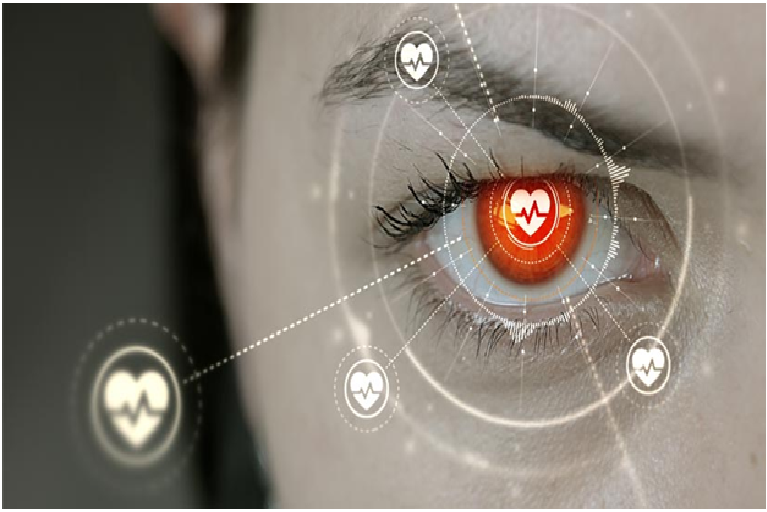
When artificial intelligence is mentioned, there is a level of futuristic conception some people have towards the term. To this set of people, they feel it is an activity that is out of place, more like something that happens in another world. This is a huge misconception since artificial intelligence as a concept is very much with us and part of our daily engagements. In the area of eye care, artificial intelligence is fast becoming a solution to severe cases that require thorough diagnosis and treatment.

The objective of artificial intelligence (AI) in eye care is not to make the ophthalmologist redundant, rather it improves their services and further makes them accessible to patients. Most eye care specialist centers are fast embracing this new technology as a solution to several years of eye treatment with limited diagnosis. When looking for a good center for eye care, you should search out one like Heru, Inc. that incorporates artificial intelligence in their services would be beneficial as there are limitations that come with human diagnosis that the machine may read.

What we’ll be doing in this post is to highlight some roles that artificial intelligence plays in eyecare and different ways they can be used to improve eye care.

Please read to learn more.

What is Artificial Intelligence?

AI is basically an algorithm. It is a set of commands that a computer adheres to in solving a problem or performing a task that ordinarily require human efforts and intelligence. Most importantly, it is not futuristic as some of it are already in use by humans daily. Some examples are Alexa the voice recognition app, social media feeds that pop up as a result of previous interest, and customer service chatbot on some websites.

Role of Artificial Intelligence in Eye Care
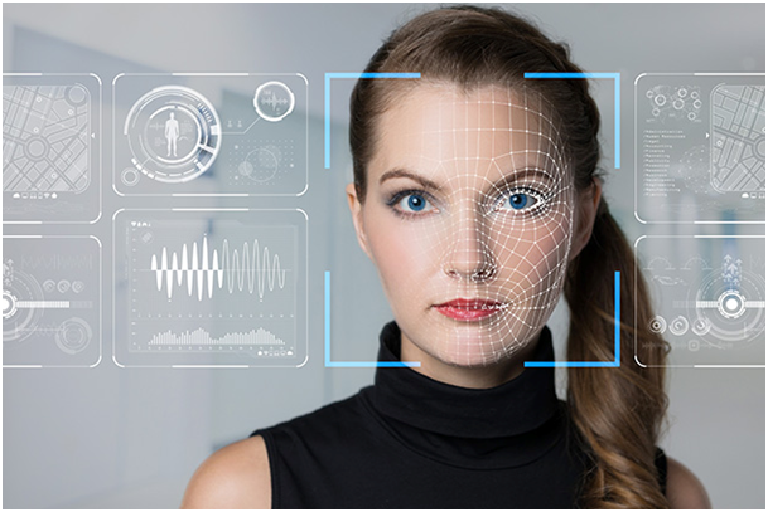
artificial intelligence in eye care

Below are listed some roles artificial intelligence plays in eye care.

Screening

Over the years, there has been a significant improvement in the area of screening patients with diabetic macular edema and diabetic retinopathy. With AI, the challenges that limited resources pose have been addressed to a large extent and this has also reduced the number of people who queue up to see the ophthalmologist.

Also, the time it takes to detect an eye disease has reduced significantly as the AI can do this within split seconds. This has provided the solution of having to wait for long before results can be released and treatment will follow. The interval between tests and release of results can lead to the degeneration of the disease in some cases but thankfully the presence of the AI has closed this window.

Accessibility

With AI comes a good measure of access for patients from diverse age, location and income level. In fact, most beneficiaries of this technology are from rural areas. Before the advent of AI, rural areas were often short of specialists who need to be on call to tackle the myriads of cases that need attention. However, the limitation in terms of human resources has made most people domiciled in these areas to stay without easy access to eye care and this has led to the degeneration of some cases. Presently, AI has increased access to health care and people in rural communities can now get quick diagnosis and response.

Research

Artificial intelligence has the capacity to speed up research. For instance, researchers need pictures of patients who are reported to have had critical AMD. They need these pictures to draw out the commonalities needed to get the accurate result. With the help of AI, many images are processed within seconds and this is way faster and reliable than when it is handled by humans.

Artificial intelligence has revolutionized healthcare technology and it is fast becoming one of the most sought-after technologies in medical facilities. If you are looking for a visual representation of how AI is used for eye care, you can check out this video.

Challenges Trailing Artificial Intelligence in Eye Care

Briefly discussed below are some of the challenges trailing the role of AI in eye care:

Job Loss

With the increasing incorporation of AI in most facilities, ophthalmologists are at the risk of losing their jobs. This has caused the cynicism that has trailed the usage in some facilities as they believe it will finally make some physical efforts irrelevant since machines can effectively attend to several people within a short time. A good way to manage this situation will be to introduce other areas that ophthalmologists can research on and make themselves relevant in handling such areas, since image reading is more accurate when done with these machines.

Cost of Equipment

Every good thing comes at a cost and this is the case with artificial intelligence equipment. These equipment are expensive hence very few facilities can afford to purchase them. Additionally, these facilities will have to go for an AI solution that fits right into the IT infrastructure already in place as well as incorporate in their workflow and all these come at a cost.

Programmed Outcome

The AI algorithm searches only what you tell it to search. Because of that, it might probably miss important details that a human can easily notice. If the variables change, the algorithm has to be learned again. For example, the IDx artificial intelligence system uses pictures captured with Topcon’s retinal cameras. If you change your camera, the algorithm may find it difficult to recognize images.

Finally, AI algorithms are called “black boxes” because sometimes it’s practically impossible to observe critically. Researchers also find it confusing how one algorithm works and another algorithm doesn’t.

What we’ve looked at above are some of the roles of artificial intelligence in eye care. If you require more information on this or other related subjects, you will always find materials online. Additionally, if you need tips on how to care for your eye, you can check here: https://www.wikihow.com/Take-Care-of-Your-Eyes.

Conclusion

The role of artificial intelligence in taking care of human eyes cannot be overemphasized. The advent of this technology has further simplified some of the procedures that were hitherto difficult for physicians who have to battle with numerous patients daily. While it may have some challenges trailing it in the area of job loss and cost of purchasing the machines, it is a technology that has come to stay and most facilities that understand the importance are fast embracing it.


