



























What a Plant-Based Diet Is—And What You Can & Can’t Eat on One
First of all, unlike some of these other concepts, plant-based eating is not a diet, and it’s definitely not a passing fad. “It’s simply a new label for an eating style that has been around forever,” says nutritionist Wendy Bazilian, Dr.P.H., R.D.N. “It’s a guide, a road map to help you move toward health, while allowing for a lot of flexibility.”
“Plant-based” covers a lot of dietary ground. Bazilian points out that a while a vegan diet is certainly plant-based, so is a lifestyle in which you eat vegetarian most of the time, but indulge in turkey on Thanksgiving, or your mother’s pot roast during Sunday dinner. In fact, some of the world’s most popular—and healthiest—diets, are plant-based by nature, while still including small amounts of meat. The Mediterranean diet, widely considered to be one of the healthiest eating styles in the world, includes fish, chicken, some low-fat dairy, and the occasional bite of red meat.
So what exactly does “plant-based” mean?
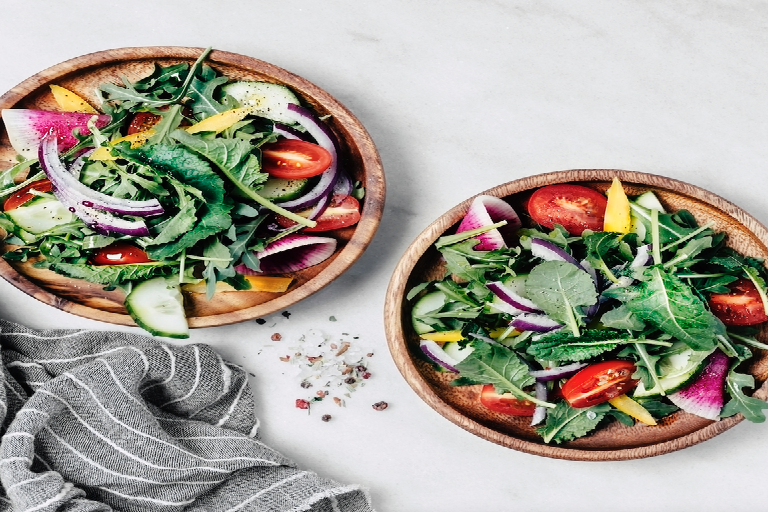
The American diet has long featured a big hunk of meat in the center of the plate, with a few vegetables scattered on the side as an afterthought. Plant-based simply means switching that equation around. Food grown from the earth, such as vegetables, fruits, beans, nuts, and whole grains, are front and center—basically, the A-listers of your plate—while food derived from animals, such as beef, poultry, fish, and dairy, play more of a supporting role. “It’s not all-or-nothing,” says Bazilian, who is also an ambassador for California Walnuts. “You don’t have to go entirely meat-free to be more plant-based.” Plant-based also means eating more whole foods, while cutting down on processed foods.
What are the health benefits of plant-based foods?
As Bazilian points out, not all plant-based diets are equal. You can eat potato chips, white rice, and carrot cake and call it plant-based, but it will not do much for your health or weight. In fact, one large study found that while a plant-based diet focused on whole grains, fruits, and vegetables significantly lowered the risk of cardiovascular disease, a “plant-based” diet that included high-sugar, high-fat, processed foods such as sweets and soda, as well as refined grains and potatoes, had the opposite effect.
But if you stick with the plant-based foods you know are actually healthy, the benefits can include:
• A lower risk of developing type-2 diabetes
• A lower risk of heart disease
• A lower risk of developing cancer
• A lower rate of cognitive decline
• A potentially higher rate of fertility
Even more important: If you’re concerned with the increasingly alarming news about climate change, switching to a plant-based diet can help the planet by reducing global greenhouse emissions, reducing land clearing, and helping preserve the habitats of endangered species.
Can you lose weight on a plant-based diet?
Because “plant-based diet” is such a broad term, there is no clear answer about this, but “everything points to yes for weight loss,” says Bazilian. Vegetables are high in nutrients and low in calories, she explains. “Plus they have higher satiety, so you don’t have those energy highs and lows, and you don’t get as many cravings.” In one study, overweight and obese subjects who followed a low-fat, whole-food, plant-based diet (with no calorie restrictions) for six months lost an average of 26 pounds.
How to start a plant-based diet:
Start by adding more plants to meals you already love, Bazilian suggests. “There are 21 meals in a week, so start by adding add fruits or vegetables to one a day. For example, if you eat eggs and toast for breakfast, add salsa, spinach, or avocado. If you add a soup or salad to your lunch or dinner every day, you’ll be getting nutrient-dense vegetables.”
As for your main dishes, Bazilian points out that while the popular new meatless meats, such as the Impossible Burger and Beyond Meat, are plant-based, they are also highly processed. “You can get that meaty satisfaction from foods that are inherently healthy and not processed, like burgers made from mushrooms, or chorizo made from walnuts and black beans,” she says.
“Transition to a plant-based diet step-by-step, and it’s easy,” says Bazilian. “It’s a no-risk proposition.”


