












What are EEGs, and How Do They Work?
What are EEGs?
Electroencephalograms or EEGs are recordings of the electrical activity of the brain. They are commonly used to diagnose and track changes in brain function and study how different activities affect brain waves.
EEGs can be recorded from various head parts, including the scalp, skull bones, and cerebrospinal fluid. Most EEG recordings consist of a continuous trace called an alpha rhythm. The frequency of alpha rhythms typically varies between 8 and 12 hertz, but they can also be found at higher or lower frequencies depending on the individual’s condition or activity. Alpha rhythms are often associated with states of relaxation and concentration and can be altered by things like meditation or sleep deprivation.
EEGs can also be used to detect abnormalities in brain function. For example, an abnormally high level of beta waves may indicate a problem with memory or attention span. And a decrease in alpha waves may indicate damage to nerve cells or a seizure.
What are the Different Types of EEGs?
There are three main types of EEGs:
- Wired EEGs- These use cables to send readings from the electrodes to a computer.
- Wireless EEGs- The wireless eeg system uses radio waves to send readings from the electrodes to a computer.
- Implantable EEGs are small devices surgically placed into the brain.
EEGs can measure various things, including brain activity, heart rate, and blood flow. Each type of EEG has its advantages and disadvantages, and it can be helpful in different ways for researchers studying other aspects of brain function.
While many types of EEGs are available, it’s important to note that not all devices produce accurate results. It’s also important to remember that while certain kinds of EEGs may be helpful for specific research purposes, they’re not always feasible or practical to use in practice. That said, several commercially available devices fall into one or more categories mentioned above, so it’s worth checking out what’s available before deciding which type of EEG to use in your research project.
How Do They Work?
Electroencephalogram (EEG) machines are usually used to diagnose brain disorders. These machines measure electrical brain activity by recording blood flow patterns in specific head regions. There are different EEG types, but they all use the same principle.
When people think or feel something, their brain produces tiny electrical pulses. EEG machines can detect these impulses and record them as a graph on a screen. The recorded patterns can help doctors diagnose various conditions like epilepsy, stroke, and Alzheimer’s.
What Are the Benefits of EEGs?
There are a lot of benefits to EEGs, which is why they are becoming so popular. They can diagnose medical conditions, assess brain function, and track changes over time. EEGs can also be used to develop therapies and treatments for various issues. Here are some of the most notable benefits of EEGs:
- EEGs can diagnose medical conditions: EEGs can help physicians diagnose conditions such as epilepsy, stroke, and brain tumors. They can also detect abnormalities in heart rate, blood pressure, and brainwave activity that may indicate a health problem.
- EEGs can assess brain function: EEGs can help doctors evaluate the level of brain function in patients with disorders such as dementia or Alzheimer’s. They can also determine whether a patient is experiencing seizures or has suffered a traumatic injury to the head.
- EEGs can track changes over time: EEGs can monitor changes in brain function in patients with disorders such as Alzheimer’s disease or concussion syndrome. This information may help doctors better understand and treat the condition.
How do EEGs Compare to Other Brain-Monitoring Technologies?
Compared to other brain-monitoring technologies, EEG is considered more sensitive and specific for detecting abnormalities in brain function. However, due to its less-developed technology, it has limitations in accuracy and reliability compared to other methods. Additionally, EEG is not always practical or feasible in clinical settings.
Conclusion
EEG is an essential tool used by scientists to study the brain and its functions. EEG measures the electrical activity of the brain using electrodes on the scalp. By recording this activity, researchers can glimpse what’s happening in different brain parts at any time. This information can help them understand how the brain works and how it might be affected by diseases or injuries.
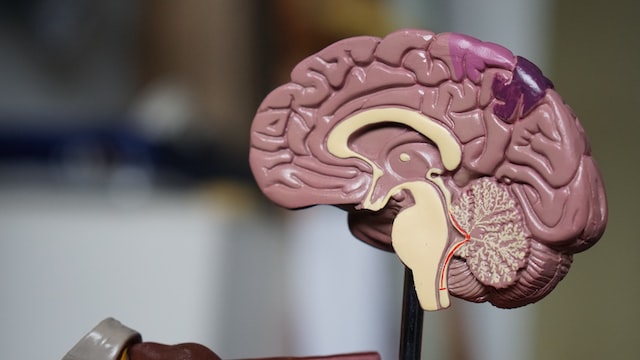
Image from: https://unsplash.com/photos/3KGF9R_0oHs