





















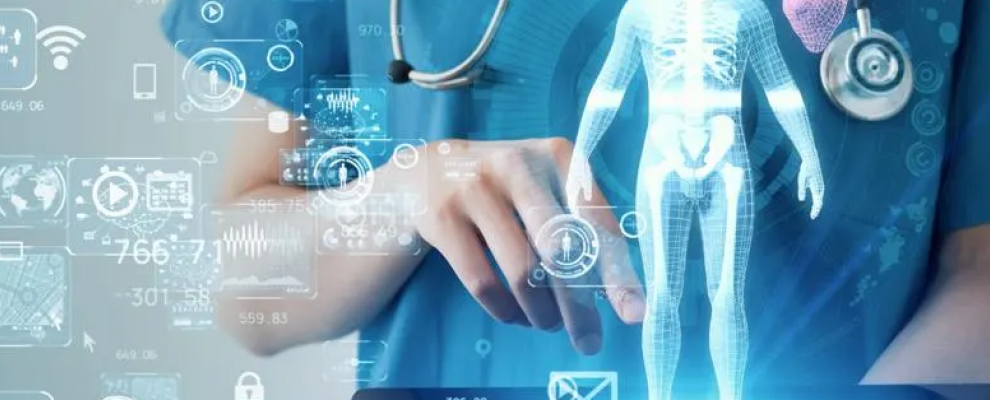
US hospitals are rapidly transforming clinical workflows and patient care by integrating advanced EMR systems with generative AI, agentic automation, cloud technologies, and interoperability solutions.
Generative AI and Agentic Automation
Hospitals using Epic and Oracle EMRs are leveraging generative AI to automate clinical documentation, summarize patient information, and create notes from ambient voice recordings. Agentic AI frameworks power digital assistants that engage with patients, manage follow-ups, and suggest next steps based on real-time, multimodal data (text, voice, images). Early adopters report a 20–40% reduction in clinician documentation time and enhanced accuracy in patient records.
Cloud-Based EMR/EHR Solutions
Many US hospitals are moving their EMR systems to the cloud, gaining scalability, remote access for telemedicine, and strong cybersecurity compliant with HIPAA standards. Cloud platforms enable clinicians to access patient data anytime, anywhere, improving care delivery and data management, particularly in rural and underserved areas.
Interoperability and Data Exchange
Improving interoperability remains a priority. Hospitals utilize standardized APIs, FHIR protocols, and vendor integrations to facilitate seamless health data exchange across facilities, providers, and external networks. This supports integrated care models, real-time analytics, and better care coordination for personalized treatments.
Emerging EMR Features and Trends
AI-powered EMRs now offer clinical decision support, predictive risk modeling, and automated preventive care recommendations. Hospitals are also using cloud and AI to enhance patient consent management, encryption, and multi-modal data processing. Leading vendors like Epic, Oracle, and Cerner are developing new features in collaboration with clinicians and regulators to improve usability and compliance.
Together, these advancements are helping US hospitals deliver faster, more connected, and higher-quality care, positioning EMR/EHR systems as intelligent platforms that boost operational efficiency.


