























Benefits of AI Integration in U.S. Hospital EMRs
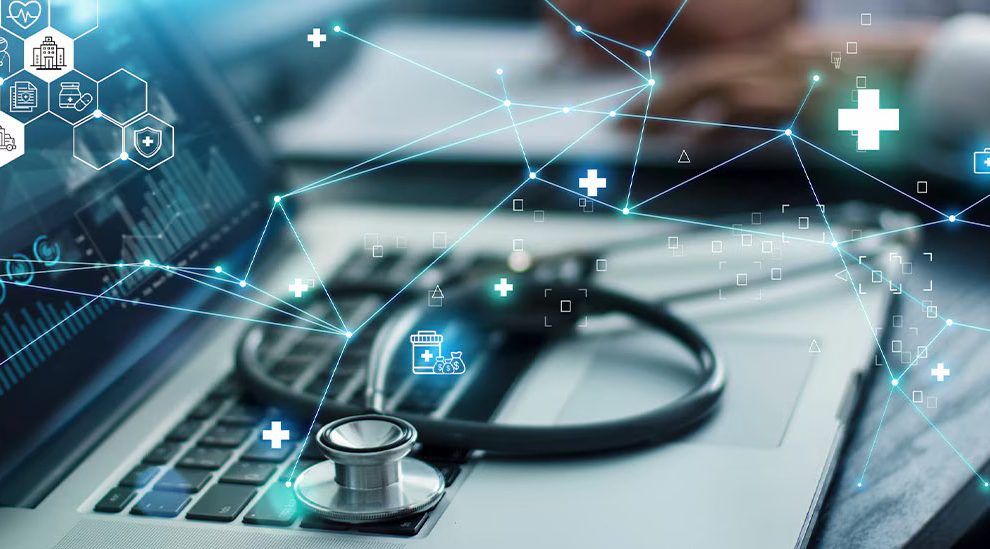
Integrating AI into electronic medical records (EMRs) is transforming how U.S. hospitals deliver care—enhancing clinical decision-making, streamlining operations, improving patient safety, and driving down costs.
Key Benefits
1. Smarter Clinical Decisions
AI analyzes patient histories, lab results, and genetic data to support accurate diagnoses, detect anomalies, and recommend treatments. Predictive analytics also help identify at-risk patients early, reducing complications and readmissions.
2. Workflow Automation
AI automates time-consuming tasks like documentation, scheduling, coding, and follow-ups—cutting physician workload by up to 40% in some hospitals. This frees up time for direct patient care and reduces clinician burnout.
3. Improved Data Accuracy & Security
AI tools flag missing or incorrect data, boosting record accuracy and compliance. Technologies like federated learning enhance data privacy, enabling secure cross-institution collaboration without exposing raw patient data.
4. Personalized Patient Care
AI delivers tailored treatment plans by analyzing clinical, genetic, and social determinants of health. Enhanced interoperability ensures smooth information sharing between providers, reducing duplication and improving care coordination.
5. Cost Savings & Financial Efficiency
Hospitals save on administrative costs, transcription, and billing errors. AI improves coding accuracy and speeds up reimbursement, helping recover EMR investments and generating long-term financial gains. Widespread AI adoption could save the U.S. healthcare system up to $81 billion annually.
Real-World Impact
Hospitals using AI-powered EMRs report better outcomes, higher patient satisfaction, and faster, more coordinated care. Early adopters are seeing strong returns on investment and operational improvements, positioning AI as a key driver of safer, smarter, and more efficient healthcare.
By embedding AI into EMRs, hospitals are turning digital records into intelligent care platforms—enhancing every stage of the patient journey.


