




























Read More
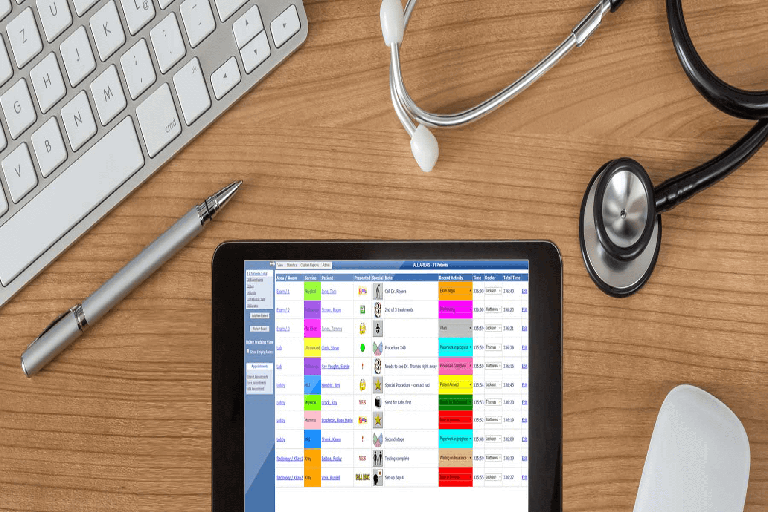
Like other businesses, the medical industry has begun transforming itself through the use of electronic medical records (EMR). Because computers can perform some tasks far more quickly than people can, it is easy for laypeople to see how electronic medical records may translate into higher efficiency for the medical facility. However, electronic medical records also have substantial financial benefits, which is one of the reasons why they are becoming popular.
Revenue and Profit
- When a medical facility uses electronic medical records, the facility has a much easier time retrieving patient records when needed. This translates not only to faster care for patients, but also to greater ease in providing those records to insurance providers and similar companies. This means that personnel may quickly resolve conflicts around billing and record error. This in turn means that personnel may serve and discharge a greater number of patients. The more patients the facility has, the more money it brings in. As long as the operating costs of the medical facility do not increase significantly, the increase in patients means an increase in profit.
Less Pay
- Electronic medical records speed up tasks related to the records. For instance, record software may link with a word processing program to generate all the past due notices for a given period—personnel do not have to manually create each letter. Personnel also don’t have to spend time going to retrieve manual copies of the files. This means that personnel do not need to work as many hours, which translates into less money paid out from the facility. Depending on how the facility sets up the electronic medical records, the savings from decreased man hours may total into the thousands of dollars—High Tech MD estimates that physicians can save up to 480 work hours per year, or an average of $78,000, with electronic medical records just in the first year. According to a research study led by Dr. Richard Hillestad of Pardee RAND Graduate School, the total annual savings for the entire medical industry may be as much as $81 billion.
Productivity
- Because medical personnel do not have to spend as much time manually preparing and retrieving patient records, they have time to be productive elsewhere, such as attending medical seminars or preparing grants for research or equipment. The knowledge gained from the seminars attracts new clients and confirms expertise to existing clients. Even if these avenues are not explored, the personnel still show increased productivity by handling a larger number of patients.
Liability
- Although medical personnel are highly skilled and trained, they still occasionally make mistakes. Some of these mistakes are the result of problems such as misreading a medical file because of poor handwriting. With electronic medical records, these type of errors decrease, as long as personnel are careful to enter the patient data accurately into the EMR system. This translates into fewer lawsuits and lower insurance premiums for medical personnel.


