






























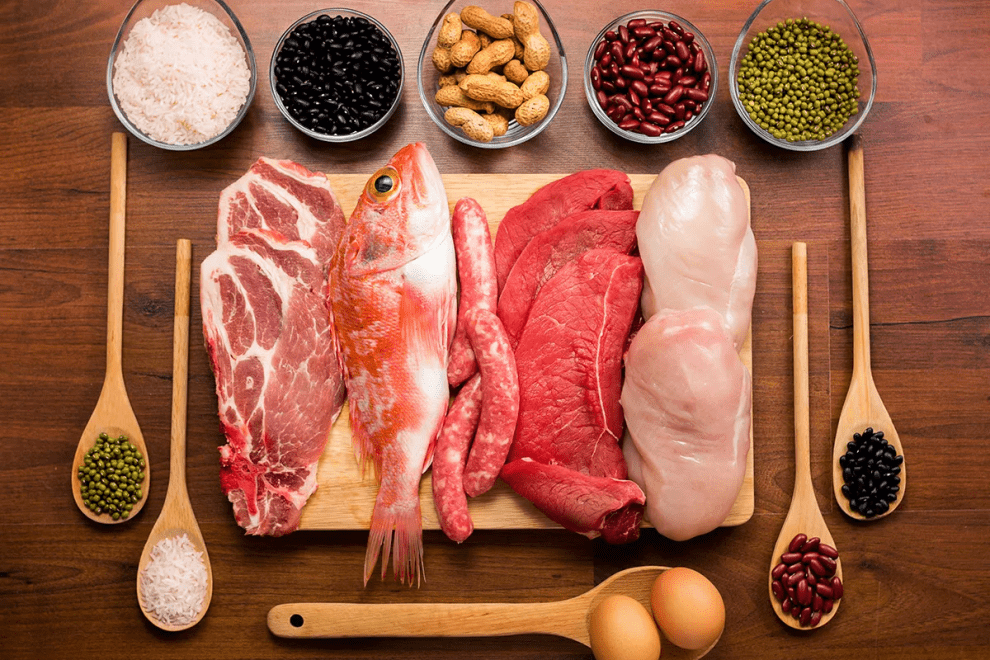
Protein serves numerous essential functions in maintaining overall bodily health, emphasizing the daily necessity of adequate intake.
However, experts caution that consuming an excessive amount of protein in a single sitting can lead to discomfort. According to Beth Czerwony, RD, a dietitian at Cleveland Clinic’s Center for Human Nutrition, there is a limit to the amount of protein the body can absorb at once.
The definition of what constitutes “too much” protein for one sitting is subjective and varies among individuals. Abby Langer, RD, a dietician in Toronto, stresses the importance of considering factors such as body composition, size, age, sex, activity levels, and medical history when assessing whether someone is consuming an excessive amount of any macronutrient.
Given the possibility of overconsumption, experts advise distributing protein intake throughout the day to facilitate better absorption by the body.
Determining your daily protein needs is crucial for maintaining optimal health. According to Traci McCarthy, PT, DPT, PhD, an exercise physiology instructor at New York University, the recommended dietary allowance (RDA) for protein is 0.8 grams per kilogram of body weight, providing basic support for general life. However, McCarthy notes that this may not be sufficient if you engage in 30 minutes of daily exercise.
For those who are more active, the protein requirement may range from 1.2 to 1.7 grams per kilogram of body weight, as suggested by Traci McCarthy. This higher intake becomes especially important when aiming to build muscle.
Determining the ideal amount of protein to consume in a single sitting remains inconclusive, according to experts. Perri Halperin, MS, RD, CDN, clinical nutrition coordinator at the Mount Sinai Health System, mentioned that while the standard recommendation is 25 to 30 grams of protein per meal, further research is necessary to establish a specific upper threshold for per-meal protein intake.
Similar to the daily protein intake, the quantity of protein required at each meal is influenced by factors such as activity level and body composition goals, as highlighted by experts.


