































WASHINGTON, November 20, 2013 – With the recent failed launch of the Healthcare Tech.gov website, it might be easy to second-guess the effectiveness IT transition that is happening within the healthcare IT industry. However, there are still successes to be found in healthcare technology. The successes we’ll be focusing on are separate from technologies that improve care (MRI, Cat Scans, etc.). These technologies are healthcare systems that improve the overall medical experience for clients.
For several years now hospitals, physicians’ offices, insurance companies, and any organization that deals with patient information have stored patient data as Electronic Healthcare Records (EHRs). EHRs contain vital information of a person’s health history (i.e. immunizations, blood type, illnesses, genetic risks, etc.). The goal of EHRs is to facilitate ease of communication among different hospitals, physicians, and other healthcare entities or practitioners.
Health Level 7 (HL7) is the ISO approved standard for formatting healthcare information, and HL7 Version 2 is by far the most widely used in the U.S., with Version 3 gaining popularity in recent months.
These HL7 versions are adopted by physicians and hospitals, thus streamlining and securing the storage of healthcare patient data in an EHR. However, the end goal is “interoperability” between distinct healthcare systems and organizations, not just electronic data storage. The 2009 American Recovery and Reinvestment Act set-aside some $19 billion for EHRs that show “meaningful-use” to exchange healthcare data with other healthcare providers/hospitals.2, 3
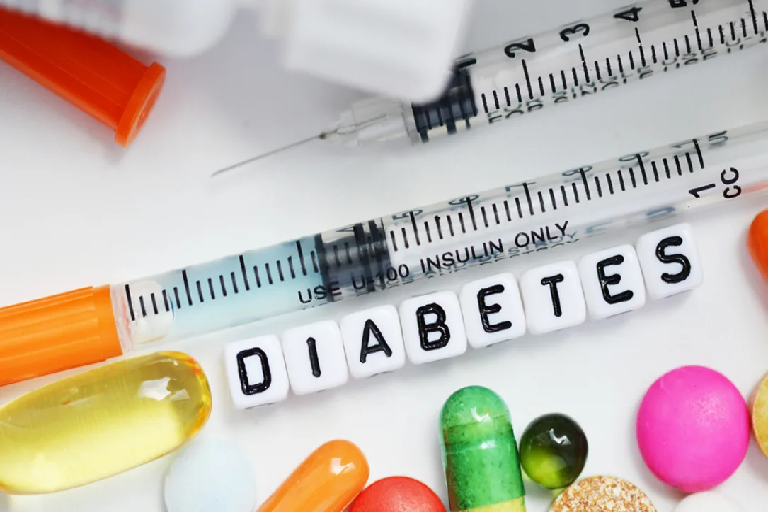
This is great news for all of us. Take for example the following scenario. A man from Oregon with type B+ blood, adult onset diabetes, high blood pressure and a previous heart conditions is on vacation in Florida and is involved in a motor vehicle accident. He is rushed to a hospital in Florida, and in order for doctors to proceed treating the injuries, the hospital needs to learn his health record details. By using an EHR system that interfaces with the man’s hospital in Oregon they can instantly learn about the man’s previous conditions, successfully treat the injuries and ultimately save his life.
In a webinar last year, Claudia Williams, Director of the State Health Information Exchange Program, (Office of the National Coordinator) stated that some 70% of healthcare organizations plan to invest in electronic health record systems over the next year. However, Ms. Williams also noted that as of 2010 only 19% of hospital organizations were exchanging information electronically between different organizations.4, 5
Therein lies a major issue. Healthcare recordkeeping standards – even with the most common HL7 standards – are not maintained in the same way at every hospital, in health insurance system, or any healthcare practitioner’s office. This creates the need to facilitate data exchange between different EHR systems using different standards—namely that of an interface that provides interoperability.
Companies such as Mirth, Decisions, and Mediware are paving the way in the space of HL7 interface systems. To varying degrees, each of these companies offers a product that successfully allows systems to “speak” to each other and interpret and transform HL7 data from one standard format to another (i.e. XML, SMS, HTTP, etc.). This is the missing link that EHRs and healthcare organizations need in order to increase communication and system interoperability.
In short, two highly publicized reports from the Institute of Medicine in 1999 and 2001 stated that some 44,000-98,000 deaths annually are attributed to avoidable medical errors at an estimated annual cost to patients of $17 billion.7, 8 In the years following that report, physicians and organizations developed EHR systems using HL7 standards. However, it is obvious that the next, and possibly most important step in eradicating medical errors is interoperability between disparate systems.
Interface systems such as these are leading the way in providing powerful tools that take healthcare data communication to the next level, helping save both our lives and our wallets. Source


