
























5 Steps To Learning More About Data Security
In today’s business world, where many critical pieces of information are online, few things are more important than data security. Protecting your business and customer information is of utmost importance — that’s why it is critical to learn about data security.
What Is Data Security?
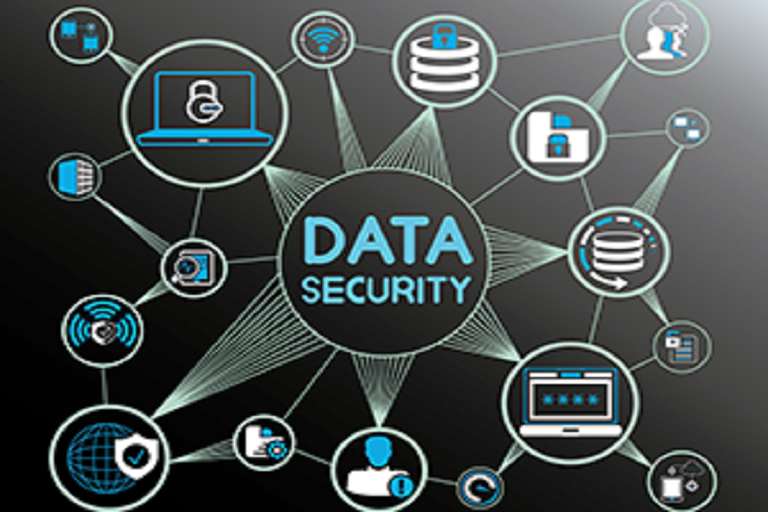
Data security is the set of practices and processes used to safeguard your information technology system. Your system includes parts such as:
• Networks
• Accounts
• Databases
An effective data security system considers the importance and sensitivity of specific data sets and applies the controls best suited to these sets. It also accounts for regulatory compliance requirements.
Data security isn’t the only solution to preventing hackers from entering your system. It is, however, a robust method of reducing risk and evaluating threats.
What Are Some Examples of Data Security?
Access controls are one way to secure your data. Protecting computers and devices with mandatory logins is digital access control, while keeping computers and equipment in a locked room is physical access control.
Authentication is another type of data security. It is the process of identifying users before allowing data access. It includes tools such as:
• Biometrics
• PINs
• Swipe cards
• Passwords
Data wrangling can help with data security as well. It takes incomplete or disorganized raw information and standardizes it for easy access, analysis and consolidation. A data wrangler tool can support security by helping operators without technical skills wrangle data quickly to keep pace with security tasks.
Backup and data recovery are essential parts of data security. If you have a system failure, data breach or disaster, you can recover your files quickly and avoid a lengthy business interruption.
How Can You Learn About Data Security?
If you want to study data security, you can acquire a lot of information on your own. There are online videos and courses in which you can participate. It’s a good idea to outline a plan for learning data security to go about it in an organized way. Here’s how to begin in five steps:
1. Decide what you want to learn. Data security is a broad description of many specialized areas. Do you want to focus on programming? Are you interested in network security? Would it help to learn forensics? Research some significant areas of data security so that you can narrow your focus. You can read data security job descriptions to see what skills and duties are required. If you know someone in data security, ask about the most effective ways to study the subject.
2. Find high-quality resources. Visit the library to find reading materials in your chosen area. Be sure to use books less than three years old; you don’t want to focus on outdated information. You can also find materials and courses online. Use sources that employ quality controls. While you may find good information on unregulated sites, it’s best to ensure that you spend your valuable time and energy on resources that are of the highest quality.
3. Start at the beginning. While it may seem obvious, the best place to start is an introductory source. Books or other materials that jump past what you know can frustrate your efforts. Browse content before committing to be sure you can build the foundation you need.
4. Narrow your focus. It can be tempting to jump into several categories at once, thinking you can learn faster that way. It’s best to stick with one topic and get a thorough working knowledge of it. Then you can move on to something else. Trying to cover too many bases at once can impede your ability to retain knowledge.
5. Use hands-on tools. You can find cybersecurity tools online. Practicing with existing technology can help you learn in ways that reading about the subject cannot. You can also find secondhand hardware tools on which to practice.
Learning about data security doesn’t have to seem like an impossible task. Breaking down the process into smaller steps can help. The investment you make is worth the ability to protect vital company data and keep you on track for success.


