




























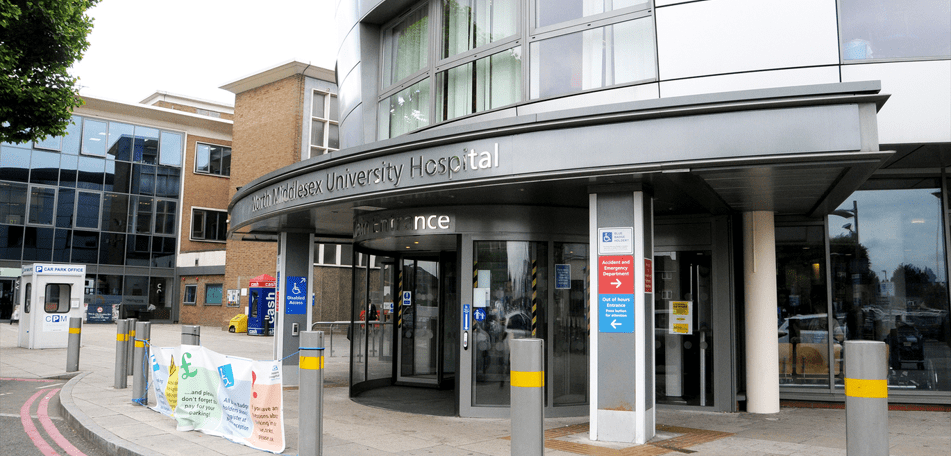
The Royal Free Hospital and North Middlesex University Hospital have highlighted how adopting an AI contouring tool has significantly reduced manual work and repetitive tasks in their radiography departments.
The AI software automates contouring in radiotherapy, replacing the traditional manual process of marking specific body areas and organs at risk.
Mark Prentice, clinical lead for radiotherapy, noted that contouring is “a very time-consuming process,” especially as radiotherapy becomes more complex. Automating it has allowed both hospitals to deliver treatment faster and devote more time to patient care.
North Middlesex has used the system for three years, achieving a 60% reduction in contouring time for organs at risk and saving about 3.5 hours weekly in breast treatment alone. The Royal Free Hospital introduced the tool over the summer, expecting similar improvements in efficiency and turnaround time.
According to the Royal Free, the AI system was trained on large datasets and “uses advanced algorithms to automatically generate accurate contours from medical imaging data.” Both hospitals plan additional audits to explore how AI can further drive innovation and shape the future of cancer care.
This development follows the launch of a virtual fracture clinic at North Middlesex University Hospital earlier this year, designed to “enhance patient experience and improve efficiency.” The clinic supports patients after scans for fractures or minor injuries, helping to minimize the need for in-person follow-up visits whenever possible.
The growing trend of using AI to automate healthcare workflows
Great Ormond Street Hospital for Children NHS Foundation Trust has implemented the AI scribing tool TORTUS across its outpatient services to “enhance patient care through digital innovation” and assist clinicians with documentation. Following a recent trial, the tool has shown key benefits such as increased face-to-face time with patients, reduced administrative workload, and greater accuracy and efficiency in clinical note-taking.
At Imperial College Healthcare NHS Trust, researchers have developed an AI system to analyze ECGs and help doctors identify patients at risk of developing heart block, a potentially life-threatening condition. The tool, known as AIRE-CHB, was trained on more than 1.1 million ECG recordings from 190,000 patients in Boston and tested on an additional 50,000 UK patients. It can detect early signs of heart block and pinpoint individuals likely to face complications later in life if the condition remains untreated.
Meanwhile, teams from Moorfields Eye Hospital NHS Foundation Trust and the UCL Institute of Ophthalmology have created an AI tool that predicts patients at risk of retinopathy. Trained on over 8,000 eye scans from 409 patients in the US and UK, the HCQuery algorithm analyzes retinal images obtained through optical coherence tomography—a standard screening method for hydroxychloroquine users. According to Moorfields, the tool accurately identified all patients with retinopathy up to 2.74 years earlier than clinicians.


