




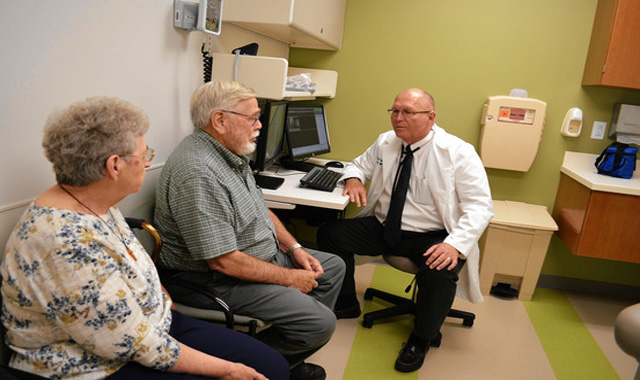







Physician practices that adopt the patient-centered medical home model can achieve modest improvement on quality-of-care measures compared with more traditional practices. Although electronic health records play a central role in the medical home, the new roles and relationships of providers and staff may be even more important in driving quality improvement.
“The results of this study therefore suggest that the PCMH is more than a health information technology intervention; changes to organizational culture seem to play a role.”
The Issue
The patient-centered medical home (PCMH) model of primary care is being widely implemented, with more than 100 demonstration projects located across the United States. PCMHs focus on care coordination, prevention, and managing chronic disease to improve quality, cost, and patient experience. In addition to structural changes like using case managers, improving follow-up with patients, and employing a team-based approach, medical homes typically adopt a range of health information technologies, including electronic health records (EHRs), electronic prescribing, and patient registries. Commonwealth Fund–supported researchers compared PCMH practices with two different types of traditional practices, one using paper records and one using EHRs, to examine the effect of the patient-centered medical home model on quality of care.
Key Findings
- The odds of receiving recommended care were 7 percent higher in the PCMH group than in the traditional medical group with paper records and 6 percent higher than in the traditional medical group with EHRs.
- The PCMH group improved significantly more over time than either the paper group or the EHR group for four of 10 quality measures: eye examinations and hemoglobin A1c testing for patients with diabetes, chlamydia screening, and colorectal cancer screening.
- There was no difference in quality improvement over time for the 10 measures when comparing the paper medical record group and the EHR group.
- Quality improvements in the PCMH group appear to be driven primarily by changes that emphasize accountability, better population management, and team-building between practitioners.
Addressing the Problem
The medical home transformation process requires more than just a health information technology intervention. At least as critical are establishing a culture of population management, building a team by defining roles and responsibilities, and becoming accountable for performance. While none of these focus on information technology, the authors note that population management and accountability are greatly enabled by electronic health records.
About the Study
The study of 312 primary care practices took place between 2008 and 2010 and included 675 primary care physicians serving 143,489 patients. Using information provided by the Taconic Independent Practice Association, a not-for-profit physician organization, the researchers assigned physicians to one of three study groups: 1) those who used EHRs and the PCMH model, 2) those who used paper medical records without the PCMH model, and 3) those who used EHRs without the PCMH model. Claims data from five commercial insurers were used to evaluate physician performance on 10 core quality measures drawn from the Healthcare Effectiveness Data and Information Set (HEDIS).
THE BOTTOM LINE
The patient-centered medical home is associated with modest quality improvement over standard primary care practices. This particular study suggests that these gains in quality were driven as much by fundamental changes in organizational structure as by adopting electronic health records.